Grenfell Tower Memorial Commission blog: selecting a design team
Read Time: 8 minutes
By Susan Al-Safadi, one of the Memorial Commission’s community representatives for Lancaster West Estate residents.
How do you feel now that a design team has been selected to work with the Grenfell community to create a bold and fitting memorial?
The selection of a design team marks a momentous milestone in our journey towards creating a bold and fitting memorial to honour the 72 lives lost on 14 June 2017. This moment is the culmination of six years of the commission’s work: 72 meetings, multiple community engagement sessions both in person and online, two reports, and a design brief, all led us here.
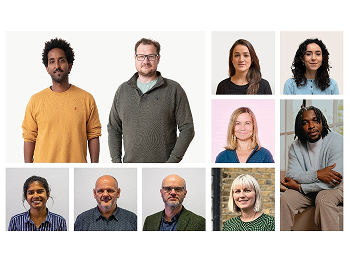
How did Freehaus distinguish themselves? Why were they chosen?
We were pleased to see such a large number of high-quality submissions when we first launched the design team selection process in June 2024. The high standard and expectations we had for the final design team were upheld by the shortlisted teams throughout the lengthy process, but Freehaus distinguished themselves at every stage, ultimately receiving the highest score for all evaluated elements of the process. They were selected as they demonstrated their team was not only technically capable of carrying out this important task, but also that they would do so with a deep respect, appreciation and understanding of the Grenfell community’s past experience and future goals.
During the selection process, community feedback was provided to the design team, how did this impact their approach?
The selection process was centred around the design teams’ ability to engage with the Grenfell community in an appropriate and sensitive manner. The government-led procurement process was heavily informed by the Commission’s work, the advice of our independent design advisors, and the Royal Institute of British Architects (RIBA), so community feedback was an integral part of the selection process. After participating in community engagement sessions, the teams had to submit a written portion of their submission detailing how these engagement sessions had shaped their approach to community engagement and the design process. Freehaus demonstrated clearly that they had moulded their entire way of working to suit the Grenfell community.
What were the different steps that Freehaus went through to be selected and
why has it taken so long to select a team?
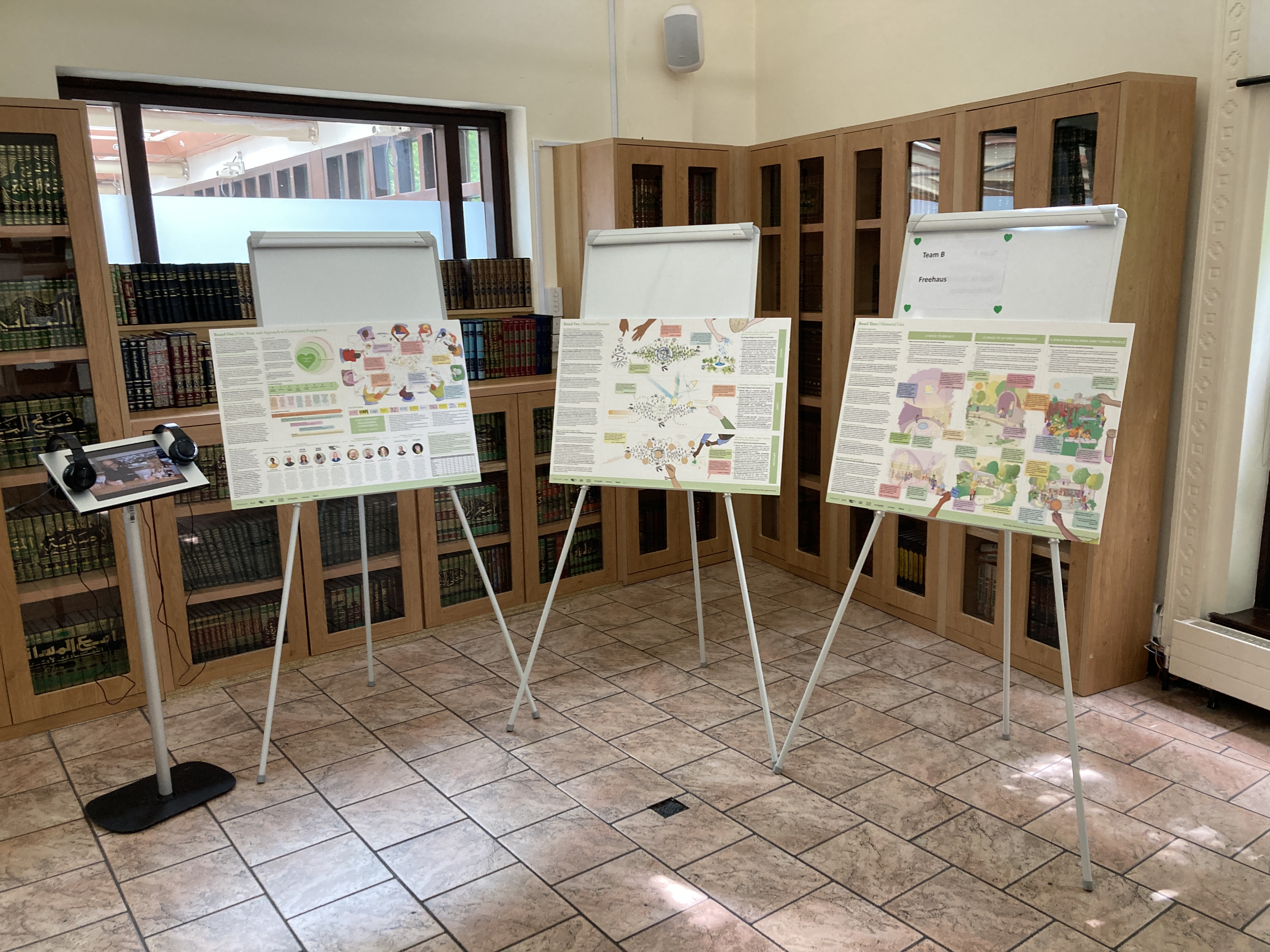
After a rigorous first phase of the procurement process which saw 28 written submissions, we selected a shortlist of five teams who went on to the second phase of the procurement. Here, they took an active role in listening to members of the community at various engagement events, and then demonstrated how they planned to work with the Grenfell community to develop a memorial design. The teams then developed design boards, a short film and written submissions which outlined their team makeup, their experience and their planned approach to the design process. Finally, the design teams made verbal presentations to the evaluation panel, alongside bereaved and survivor families, where they were asked to demonstrate what they had learnt through this process. As you can see, the process was extensive and thorough and had to adhere to government procurement standards.
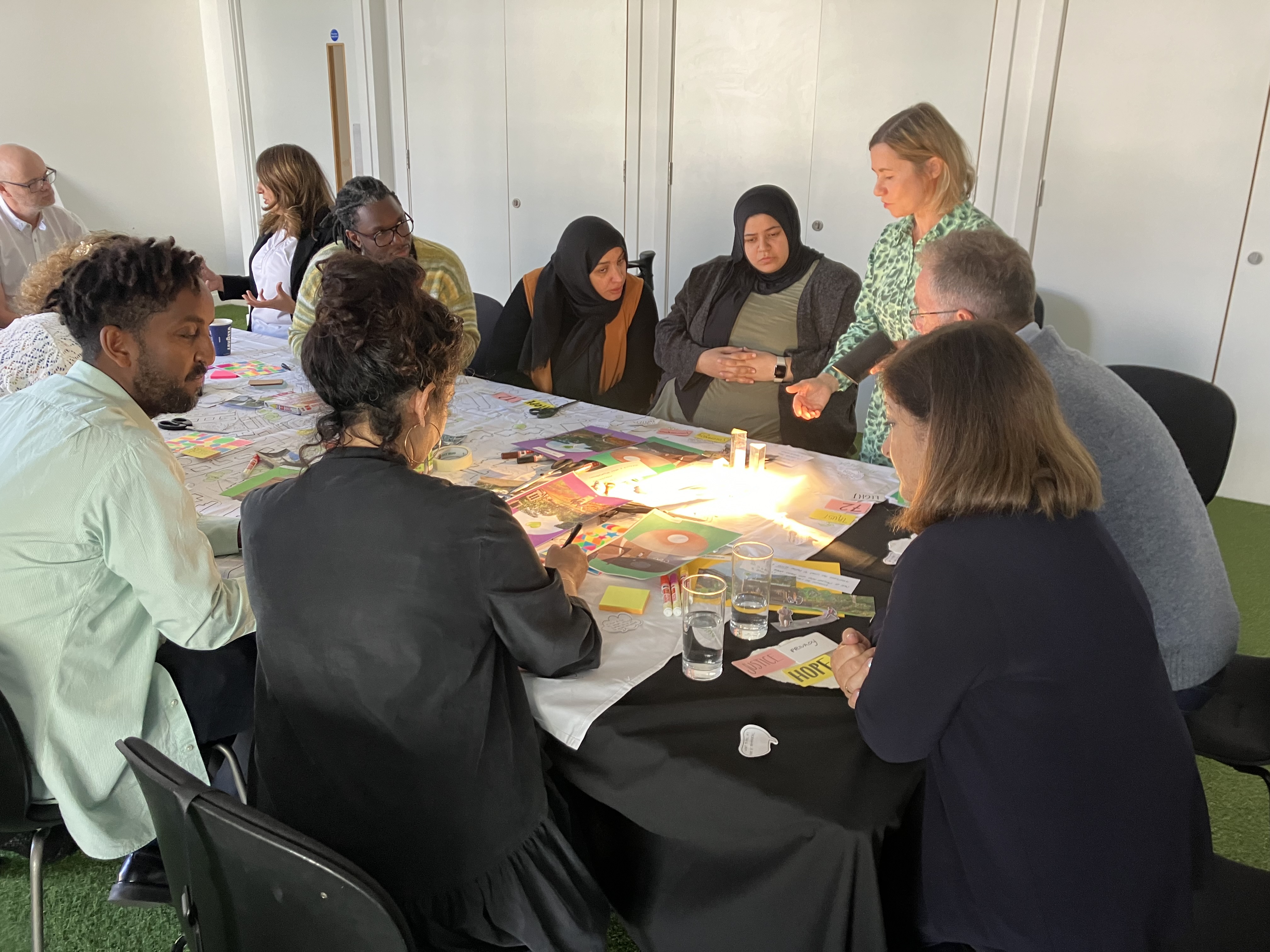
Who was involved in selecting the team?
As part of the government procurement process, an evaluation panel was set up to assess the bidding teams. The panel was made up of members of the government’s project delivery team, RIBA advisors, secretariat members, both of the Commission’s independent design advisors, and community representatives from the Commission. Considering how demanding the process was, not all community representatives could take part in an evaluator role. Some community representatives attended the evaluation sessions as ‘observers’ which meant they could still provide feedback and ask questions, but wouldn’t be scoring the teams. The government procurement department led several mandatory training sessions, which prepared the evaluators for their work and clarified the roles and responsibilities each evaluator would take on.
How has the Grenfell community informed the team selection?
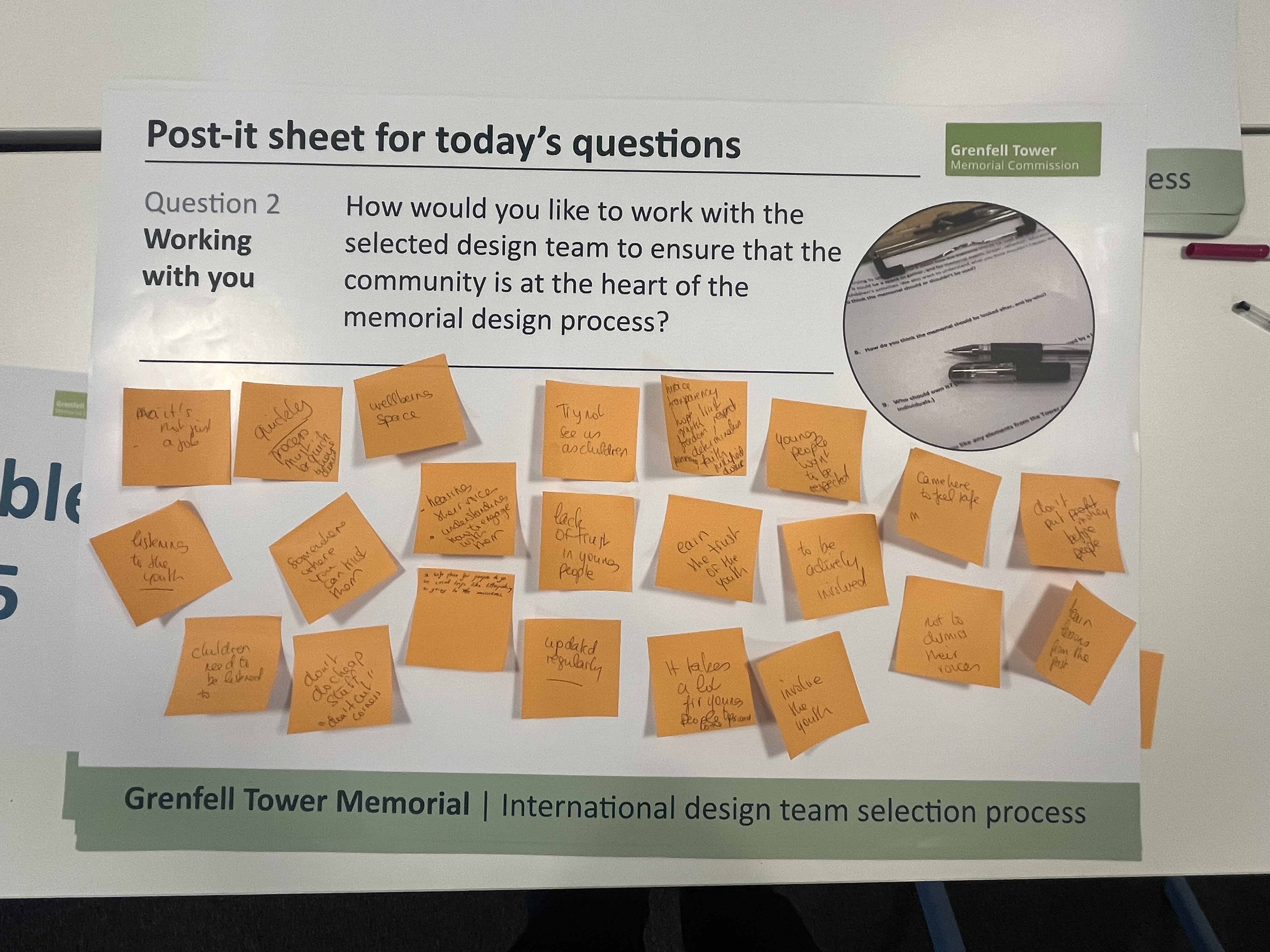
The Grenfell community has heavily informed the team selection by their active involvement, providing feedback at various elements of the procurement process e.g., listening workshops, community exhibition and final presentations. Particularly in the final phase of the procurement process, we had five community representatives as evaluators. That made up almost 50% of the evaluation panel. During moderation sessions, the consensus scores reached were never at odds with the views of the community representatives who acted as evaluators.
In addition to the Commission’s community representatives, bereaved, survivors, residents of Lancaster West Estate and members of the immediate community that live close to Grenfell Tower, were all invited to listening sessions where they were encouraged to provide feedback on the teams’ proposed approaches. This gave an opportunity to challenge the teams’ approach, and help shape the process moving forward. Bereaved and survivors were then invited to attend the final presentations made by the design teams, where they could ask questions of each team ahead of the final evaluations.
Did the research which the Commission did with other memorials inform the approach in any way?
It has been immensely helpful to engage with other memorials and learn from their experience. Whilst we’ve considered their approaches to design, the Grenfell memorial is unique in that it is the first of its kind to be wholly community-led.
What have you learnt from being involved in this process?
We’ve learnt that this process needs to be led by the community and made for the community. That we need to press forward to reach a fitting memorial as soon as possible, but that we need to balance that with how ready people are to engage with the process. That we need to go as quickly as possible, and as slowly as necessary. We’ve learnt that we need the design team to focus on building and maintaining trust with the community above all else, and that we must never lose sight of why we are here and who we are here for.
What will be the first priorities for Freehaus?
That’s a great question, and one we had posed to the design teams during the procurement process. Members of the Freehaus team were clear that they would want to begin by establishing a presence within the community, so that they can further understand the community’s needs and also build their own relationships directly with the bereaved, survivors, Lancaster West residents, and the immediate community. The team will get to know how you want to feed into the process, when you want to do that, and how often you want to be in touch. They will also make time to meet with the secretariat and the Commission to ensure a smooth handover of our work to date and avoid any duplication of efforts.
How will the Grenfell community continue to be involved?
Now is the time we really need to hear from you. The design team will want to meet with the different stakeholder groups across the Grenfell community, to better understand our expectations not only for a memorial, but also for how they plan to work with us.
What will happen with all the views already shared with the Commission so far?
Every single piece of information we have gathered since the start of our work has been recorded and collated. We have two detailed reports which summarise our findings, and these documents, together with our design brief, will form the foundation upon which the design team will begin their work. This way, the design team will not be starting from scratch and won’t need to ask the same questions the community has already considered.
When will the memorial be finished?
As we know, preparatory works are ongoing at the future memorial site to carefully dismantle the tower. This will continue in parallel with the design team’s work to develop a memorial design with the community, until summer 2027, when we expect a final memorial design to be reached. The necessary regulatory and planning applications will need to be made at each stage of the design process, consulting relevant stakeholders and public bodies, so that we avoid any unexpected delays to the start of the construction process. We have a detailed timeline available on our website.
Published on 4 December 2025
